
The Heart’s Secret Chatter
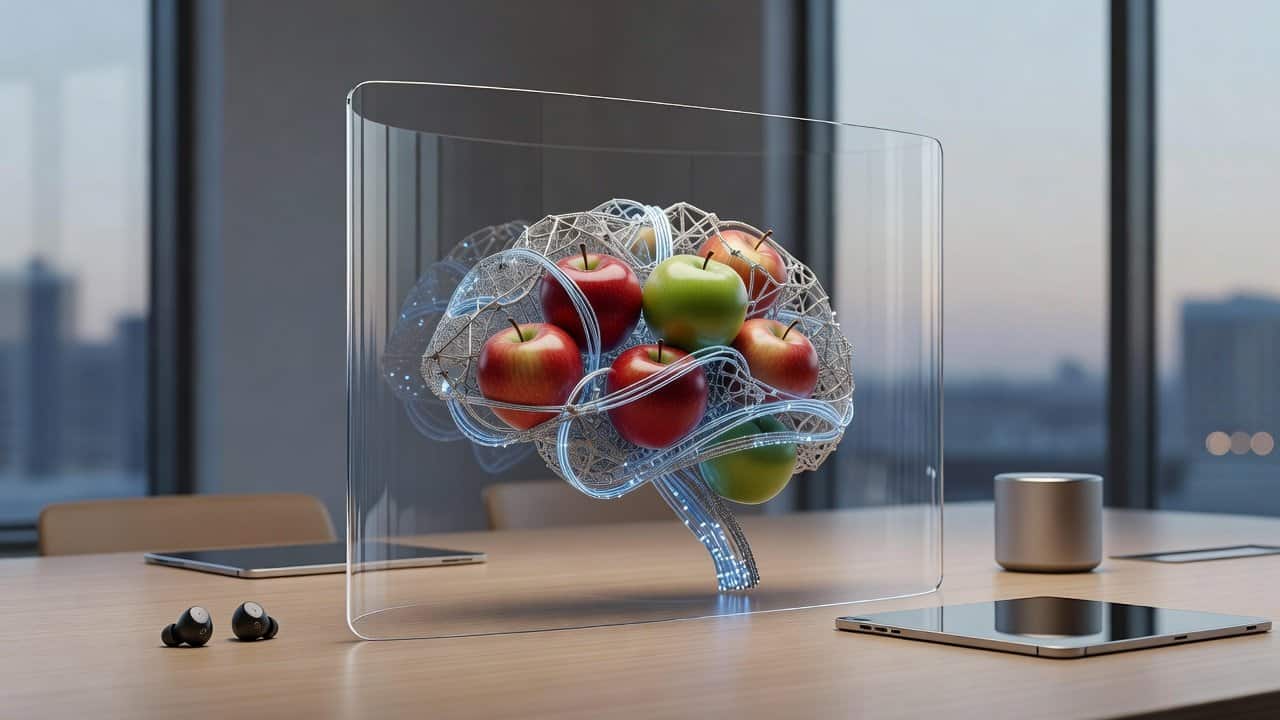
In a plot twist worthy of a sci-fi thriller, the heart and brain engage in a clandestine conversation post-heart attack, and it’s not exactly a friendly chat. It turns out, this dialogue might be the reason your recovery feels like a slog through molasses. Rodent-based espionage reveals that silencing the nerve cells acting as the heart’s tattletales to the brain actually improves heart function and reduces scarring. This revelation, published in the high-brow journal Cell, suggests that the brain might be the villain in this saga.
Dr. Wolfram Poller, a cardiologist with a penchant for philosophical musings, reminds us that organs don’t live in isolation, much like roommates who refuse to do the dishes. This study opens a Pandora’s box of potential therapies that could extend beyond the heart, hinting at a future where we treat the body like the interconnected web of drama it truly is.
A Heart Attack’s Domino Effect
Every 40 seconds, someone in the U.S. experiences a heart attack, a grim reminder that our hearts are not indestructible machines. These attacks are essentially a coronary traffic jam, where a blood clot decides to play the role of a stubborn roadblock. The fallout is severe: weakened heart, erratic rhythms, and a looming threat of another cardiac event. But the real kicker? The nervous and immune systems, those supposed allies, could be exacerbating the damage instead of aiding recovery.
Vineet Augustine, a neurobiologist with a flair for detective work, and his team embarked on a mission to unmask the culprits behind this inflammatory conspiracy. They zeroed in on the vagus nerve, the body’s very own information superhighway, and its TRPV-1 positive neurons, which seem to have a penchant for meddling in heart affairs. Post-attack, these neurons light up like a Christmas tree, amplifying the distress signals sent to the brain.
The Brain’s Mischief Unveiled
The heart’s distress signals take a scenic route through the body, first hitting the paraventricular nucleus of the hypothalamus, a brain region that moonlights as a stress manager. These signals then make a pit stop at the superior cervical ganglion, a neck-based nerve hub. Post-heart attack, this gang seems to throw a pro-inflammatory party, complete with cytokines, the body’s inflammatory DJs.
By putting a damper on this inflammatory rave, scientists noticed improvements in heart function and tissue repair. Tania Zaglia, a physiologist with a knack for understatement, points out that inflammation isn’t the villain—it’s just a misunderstood hero that sometimes overdoes it. The trick lies in curbing its enthusiasm before it spirals into chaos.
Future Frontiers in Cardiac Care
The road from mouse model to human therapy is paved with cautious optimism and scientific rigor. Augustine hints at a futuristic toolkit that could include vagus nerve stimulation and gene-based interventions targeting the brain’s meddling ways. It’s like a sci-fi arsenal designed to outsmart the body’s own misfires.
While these ideas marinate in the lab, the potential for transformative treatments looms large. As we edge closer to integrating these findings into clinical practice, the prospect of turning the brain from foe to friend in heart attack recovery is tantalizing. In the meantime, perhaps we should all befriend our vagus nerves—they might just hold the key to our cardiac futures.
Scientific Facts Worth Knowing
- •💡 The heart sends distress signals to the brain after a heart attack.
- •💡 805,000 people in the U.S. suffer heart attacks annually, per CDC data.
- •💡 TRPV-1 positive neurons in the vagus nerve are key in heart-brain signaling.
- •💡 Inflammation in nerve cells post-heart attack can worsen heart damage.
- •💡 Potential therapies include vagus nerve stimulation and immune-targeted treatments.