
Revolutionizing Protein Design
In the world of biology, proteins are the rock stars, strutting their stuff with unique structures and functions. Traditionally, scientists have been busy predicting protein structures and designing them for practical purposes, like curing diseases or making your yogurt taste better. But all this wizardry has been fixated on the proteins themselves, ignoring the backstage chaos where DNA scripts the show. It’s akin to judging a movie solely by its actors without considering the director’s vision or the scriptwriter’s quirks.
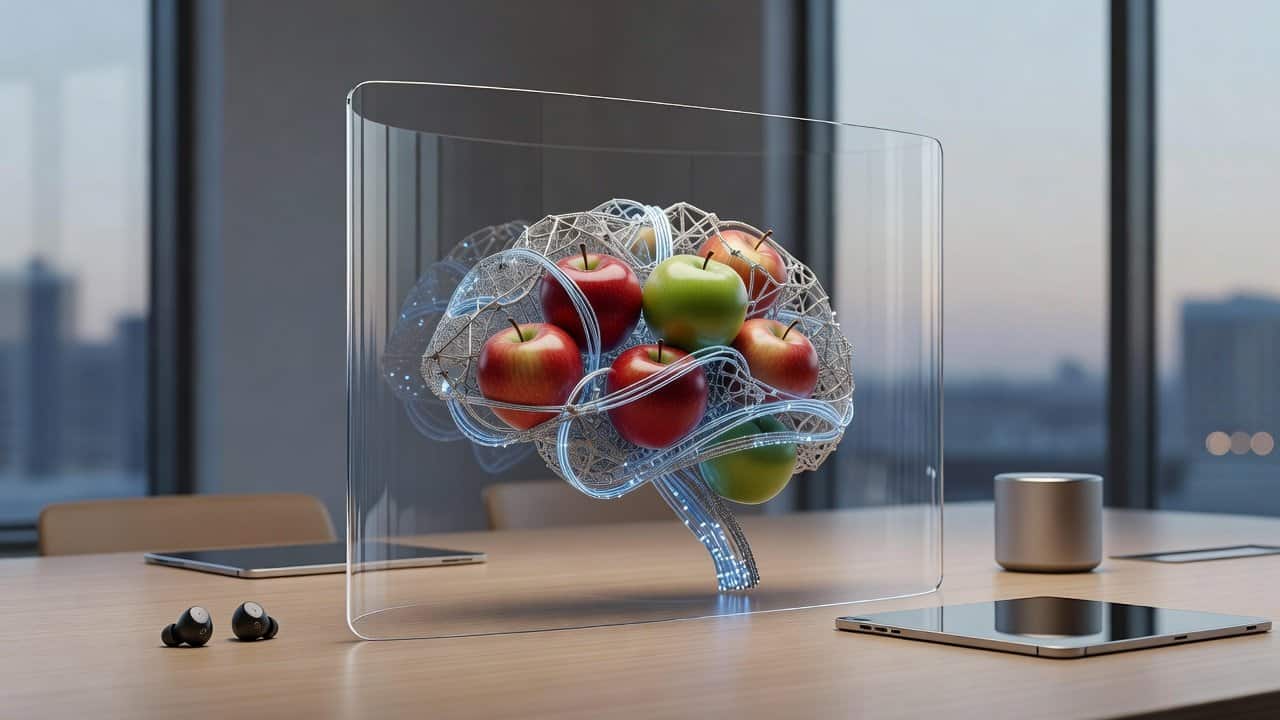
Enter the bacterial genome, a sprawling narrative of nucleic acids, often overlooked due to its non-coding sequences and redundant bits. Yet, it’s in this genetic soup where the real magic happens, setting the stage for proteins to emerge. The DNA level, with its labyrinthine complexity, might seem too distant from proteins to matter. However, the plot thickens as AI steps in, training on bacterial genomes to conjure proteins like nothing we’ve seen before—think of it as the ultimate sci-fi plot twist.
Stanford’s Genomic Alchemy
At the heart of this genetic sorcery is a team from Stanford University, wielding an AI system like a futuristic wand. Their secret? Harnessing the peculiarities of bacterial genomes, where genes with related functions huddle together like conspirators in a sci-fi thriller. These genes, responsible for everything from sugar digestion to amino acid synthesis, often cluster in the genome, allowing bacteria to control entire biochemical pathways with a flick of the genetic switch.
The researchers crafted a ‘genomic language model’ dubbed Evo, training it on a massive collection of bacterial genomes. The training process mirrored that of large language models, where Evo was tasked with predicting the next base in a sequence, earning brownie points for accuracy. But Evo isn’t just a one-trick pony; it’s a generative model capable of taking a prompt and spinning out novel sequences with a delightful unpredictability, much like an AI poet on a caffeine high.
Beyond the Known Protein Universe
The results? Proteins that defy classification, stepping out of the shadows of known biology like extraterrestrial beings crashing a garden party. These AI-generated proteins might not resemble anything in our current databases, but they hold the promise of unlocking new biochemical pathways and functions. It’s like discovering a new color in the spectrum or a new flavor in your favorite ice cream—unexpected and delightful.
This breakthrough opens up a Pandora’s box of possibilities, where AI could potentially craft proteins with functions we’ve only dreamed of. Imagine enzymes that could break down plastic waste or proteins that could enhance crop resilience against climate change. The implications are as vast as the bacterial genomes themselves, offering a glimpse into a future where biology and technology dance a complex, yet harmonious, tango.
The Future Beckons
While this may sound like the plot of a cyberpunk novel, the reality is both thrilling and daunting. As AI continues to evolve, its potential to rewrite the rules of biology is immense. But with great power comes great responsibility, and the ethical implications of crafting novel proteins are as complex as the proteins themselves. Scientists must tread carefully, balancing innovation with caution, to ensure that this brave new world doesn’t spiral out of control.
In the end, the fusion of AI and biology might just be the key to solving some of humanity’s most pressing challenges. As we stand on the brink of this new frontier, one can’t help but wonder: what other secrets lie hidden in the genetic code, waiting to be unlocked by the curious minds of tomorrow? And as we ponder this, let’s not forget to thank the humble bacteria, the unsung heroes of this genomic saga.
Scientific Facts Worth Knowing
- •💡 AI can predict protein structures from bacterial genomes.
- •💡 Stanford’s Evo model uses bacterial gene clustering for predictions.
- •💡 AI-generated proteins may have unprecedented structures.
- •💡 Evo’s training mimics large language models for sequence prediction.
- •💡 Potential applications include novel biochemical pathways and environmental solutions.