
The Birth of a Cellular Revolution
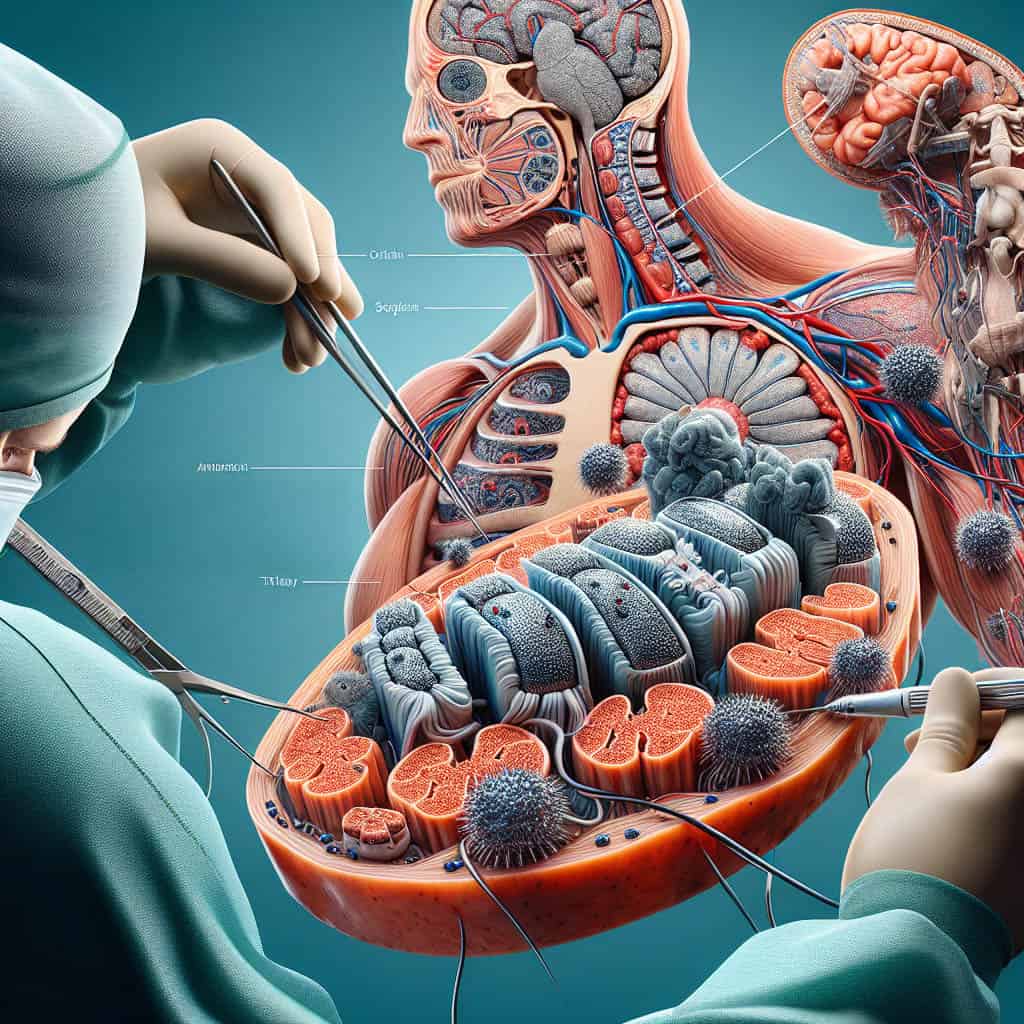
In the shadowy corridors of Boston Children’s Hospital, where the air is thick with the smell of antiseptic and ambition, James McCully was extracting mitochondria, those microscopic powerhouses of the cell. Suddenly, his colleagues burst in, panic-stricken over a pig heart that was refusing to beat in rhythm. McCully, a connoisseur of cardiac conundrums, decided to inject the mitochondria straight into the heart. The result? A miraculous revival, as if the heart had been rebooted by a cosmic defibrillator.
Fast forward nearly two decades, and this experiment has evolved into a burgeoning field of research, with scientists playing Dr. Frankenstein with mitochondria transplants. From pigs to humans, these cellular CPR techniques are being explored to resuscitate hearts, brains, and other organs that have seen better days. The idea is simple yet profound: inject healthy mitochondria into damaged tissue and watch as the body’s natural repair mechanisms get a turbocharged boost.
Mitochondrial Transplants: The New Frontier
The mitochondria, known for their energy production prowess, also send out molecular signals like a cellular Morse code, keeping the body’s immune and stress responses in check. It’s like having a tiny, invisible life coach inside each cell. McCully’s team discovered that cells could naturally engage in a mitochondria swap meet, donating healthy organelles to their less fortunate neighbors. This revelation opened up the possibility of using transplants to rejuvenate distressed tissue.
In a series of experiments that would make any sci-fi enthusiast proud, McCully’s group demonstrated that mitochondria could be engulfed by cell membranes and integrated into the internal cellular machinery. This cellular assimilation led to reduced inflammation and cell death, effectively turning back the clock on tissue damage. The results were so promising that cardiac surgeon Sitaram Emani decided to try this on babies with heart defects, hoping to save them from the grim fate of heart-lung machine dependency.
Expanding the Mitochondrial Horizon
As McCully and Emani’s work gained traction, other researchers began to wonder if these mighty mitochondria could save more than just hearts. Enter Melanie Walker, an endovascular neurosurgeon who saw potential in treating ischemic stroke. Her eureka moment came from a study showing that brain cells could share their mitochondria to help stroke-damaged neurons recover. With the finesse of a sci-fi surgeon, Walker devised a plan to deliver mitochondria directly to the brain via a catheter.
Walker’s initial trials were all about safety, proving that the mitochondria could be introduced without causing additional harm. Though the effectiveness remains unproven, the stage is set for further exploration. Meanwhile, researchers like Giuseppe Orlando are testing the waters in organ donation. By injecting mitochondria into pig kidneys, they observed fewer dying cells and increased energy production, suggesting a future where even suboptimal organs could be revitalized for transplantation.
The Mitochondrial Odyssey Continues
Despite the enthusiasm, skepticism lingers like a stubborn ghost. Critics question the mechanism behind these miraculous recoveries, wondering if the mitochondria are simply triggering stress signals that indirectly benefit the tissue. Meanwhile, Lance Becker’s experiments with rats reveal that fresh, functional mitochondria are essential for success, as frozen-thawed ones fail to deliver the goods.
The journey to mainstream acceptance is fraught with challenges, from understanding the exact mechanisms to developing reliable delivery methods. Yet, the dream of a universal mitochondria bank persists—a vault of vitality ready to be tapped by healthcare providers across the globe. As Becker aptly puts it, while we’re still in the early days, the potential is mighty darn interesting. So, buckle up and prepare for a future where your cells might just get a mitochondrial makeover.
Scientific Facts Worth Knowing
- •💡 Mitochondria are known as the powerhouses of the cell, producing energy in the form of ATP.
- •💡 Research has shown that mitochondria transplantation can reduce inflammation and cell death in damaged tissues.
- •💡 Mitochondria can naturally transfer between cells, aiding in tissue recovery post-injury.
- •💡 Studies indicate that functional mitochondria are crucial for successful transplantation outcomes.
- •💡 Future applications may include a universal mitochondria bank for a wide range of medical treatments.



